 BUY CANADIAN
Designing With Fire: What Top Designers Are Prioritizing in 2026 - Fire Pit Edition
A fire pit used to be an add-on, something dropped into the middle of a lawn once the rest of the backyard was finished. That’s not how designers are approaching it anymore. In 2026, the fire pit is being planned first.
It serves as the anchor the whole outdoor layout builds around, not the last decision in the process. We looked at what landscape architects and outdoor living designers are actually specifying this year, and a clear set of priorities keeps showing up.
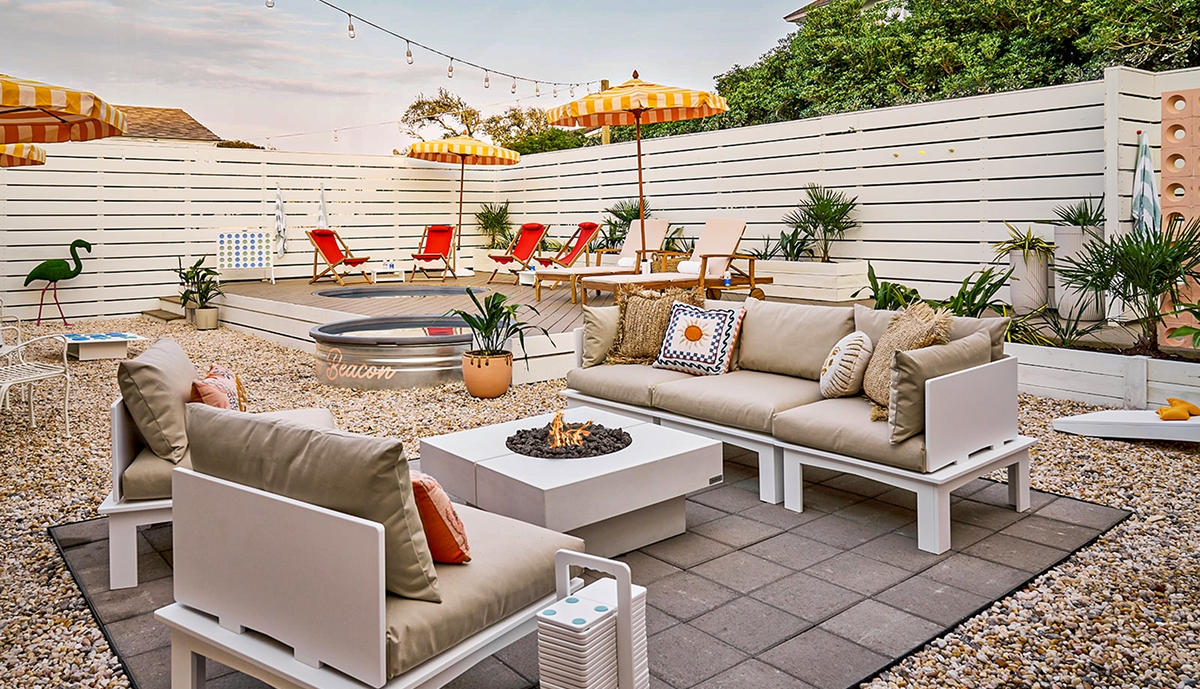
1. Geometric Shapes Over Traditional Circles
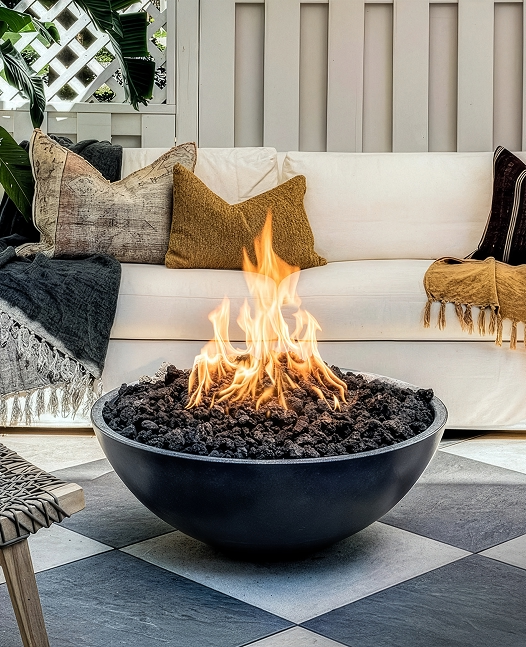
The classic round fire pit isn’t going away, but linear and geometric shapes are the fastest-growing category this year, with linear designs leading the pack and square tabletop configurations close behind. Designers are choosing these shapes because they read as architecture rather than a campfire substitute. A square or rectangular fire table fits cleanly into a defined patio zone in a way a circle sometimes fights against.
DreamCast’s fire pit collection reflects this shift, with square and rectangular fire tables built specifically for structured seating layouts, alongside rounded fire bowls for spaces that call for a softer, more sculptural form.
2. Fire as the Anchor for Pool and Spa Backyards
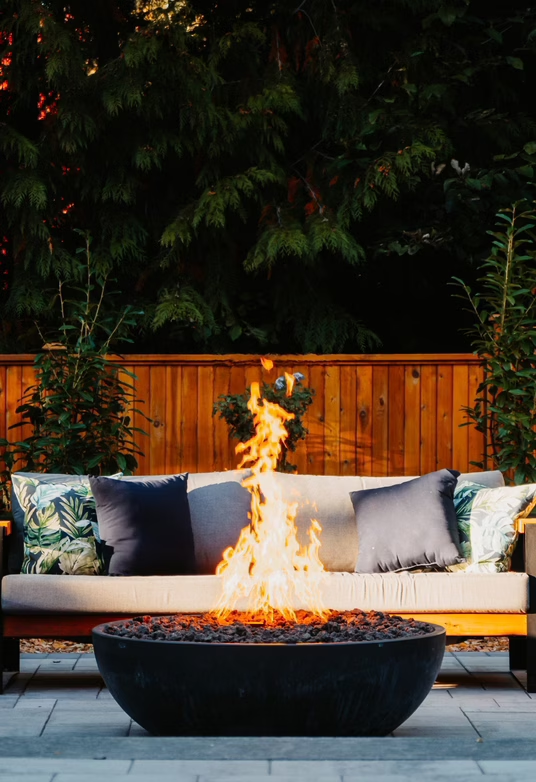
One of the strongest patterns this year is the full residential wellness backyard: pool, sauna, hot tub, and fire feature designed as one connected system rather than separate purchases. Designers are increasingly placing the fire pit at the center of that layout, as the point where people gather between spa cycles or after a swim.
This shows up clearly in a recent project by Martin Landscape & Design, where a spa retreat was built around the Zen 48 concrete gas fire pit on a 20 by 40 foot patio featuring a sauna, hot tub, and pergola. Designer Colin Martin positioned the fire pit as the connective tissue between the spa elements, calling it the natural place for people to gather after using the amenities. His advice for anyone planning a similar space: budget for the fire feature early, since it often ends up as the focal point even when it gets treated as an afterthought.
A similar approach shaped a San Diego backyard by Kristyn Harvey Interiors, where the pool, outdoor kitchen, and lounge zones were all planned around the Skyline 60 fire pit. Designer Kristyn Harvey noted a broader shift toward outdoor spaces feeling like fully resolved interior environments, with fire features chosen for architectural presence rather than treated as decoration. In both projects, the fire pit was selected before the rest of the layout was finalized, not fitted in afterward.
If you’re planning a pool or spa backyard, it’s worth thinking about circulation the same way these designers did, where people will stand coming out of the water or the sauna, and how the fire pit pulls them into one shared gathering point rather than several disconnected zones.
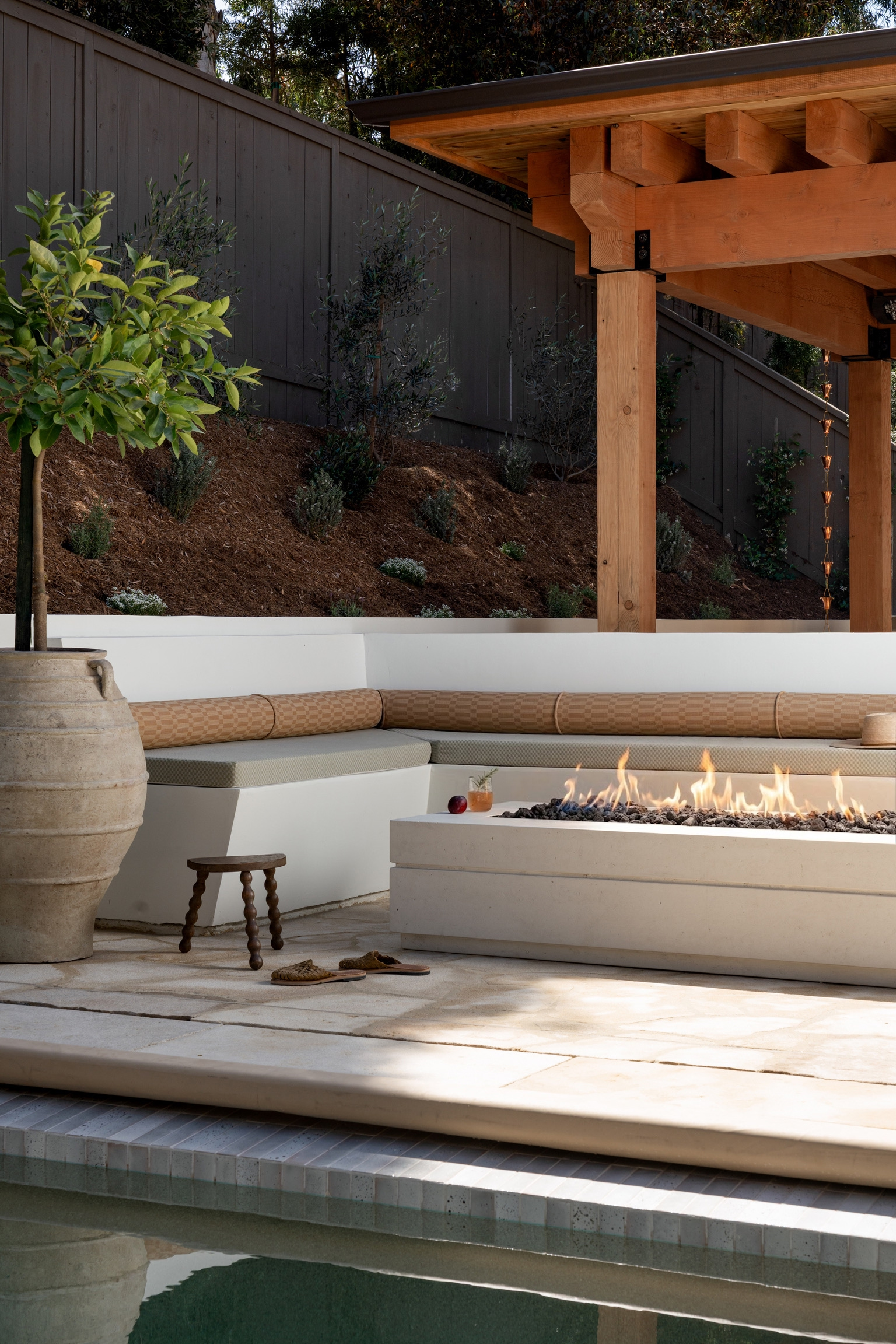
3. Concrete Is Now the Default Material for Serious Projects
Designers are specifying high-performance concrete, particularly fiber-reinforced concrete, more than any other material for permanent fire features this year. It holds up to direct heat, resists cracking, and keeps its color for decades, which is more than can be said for raw steel that needs rust monitoring or lower-grade cast materials that chip after a few seasons outdoors.
Both projects above used DreamCast’s fiber-reinforced concrete for exactly this reason, since it needed to sit near a pool, sauna, and hot tub without weathering unevenly. Every DreamCast fire pit is finished with corrosion-resistant, rust-proof burner components and backed by a lifetime warranty on the concrete itself.
4. Fire Tables Are Overtaking Standalone Fire Bowls
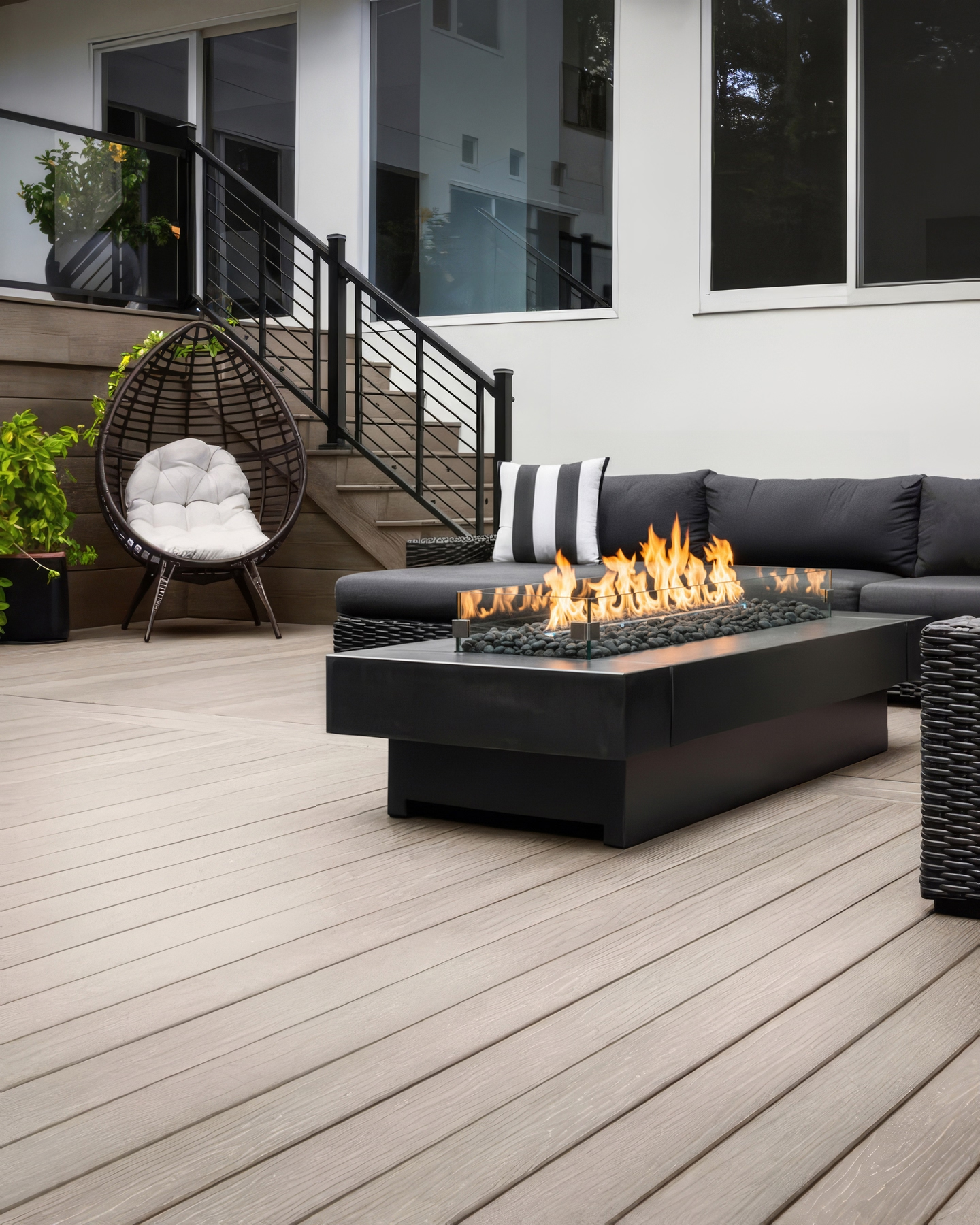
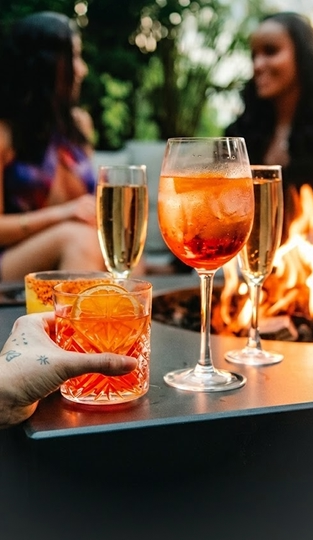
Homeowners want their fire feature to do more than glow. Designers are increasingly specifying fire tables over standalone bowls because a table gives guests a surface for drinks and small plates while keeping the flame close enough to feel. It’s a small shift, but it changes how a space actually gets used night to night.
A square fire pit table tends to suit smaller, more intimate seating arrangements, while a larger rectangular table works better for a full patio built around entertaining. DreamCast’s guide to 2026 fire pit designs breaks down which shape and size fits which kind of gathering, from weeknight family use to larger dinner parties.
5. The Fire Pit Sets the Whole Layout, Not Just a Corner of It
Rather than placing a fire pit in the center of an open lawn, designers are building entire outdoor rooms around it this year, with defined zones for dining, lounging, and gathering all oriented toward the flame. The fire pit sets the circulation pattern for everything else, including furniture placement, walkway routes, and even where lighting gets installed.
This is why scale matters so much more than it used to. In the Martin Landscape project, the Zen 48 was chosen specifically because a smaller unit would have looked undersized on a 20 by 40 foot patio, while the Skyline 60 in the San Diego project was picked for enough visual weight to hold its own against a pool, outdoor kitchen, and lounge zone at once.
6. Multi -functionality Is Now Expected
Designers aren’t specifying a fire feature that only does one thing anymore. A fire pit needs to double as a table, a cocktail station, or in some cases a cooking surface with a removable cover and integrated grate. This mirrors a broader shift toward outdoor spaces that work as hard as the rooms inside the house.
For homeowners planning around this, it’s worth thinking through how the fire pit will actually get used day to day, not just how it photographs, before finalizing a shape or size.
7. Real Heat Output, Not Just Good Looks
Designers are treating BTU output and burner quality as a core part of the spec this year, not a detail left to the installer. A fire pit that looks striking in daylight but barely throws heat once the sun goes down misses the point for most homeowners, especially in climates where evenings cool off fast.
DreamCast fire pits use American-made brass or stainless steel burners, with higher-output models independently tested and certified for use across the US, including states with strict standards like California and Massachusetts. The Zen 48 used in the Martin Landscape project runs on a cross pilot ignition system, chosen specifically because it starts reliably and requires nothing from the host beyond turning it on. If you’re unsure what output your space needs, DreamCast’s guide on choosing a high BTU outdoor gas fire pit walks through how BTU ratings translate to actual comfort in open versus covered spaces.
8. Custom Sizing for Nonstandard Spaces
Backyards rarely come in standard dimensions, and designers are pushing back on one-size-fits-all fire pits as a result. A pit sized for a typical suburban patio might completely overwhelm a smaller courtyard, or look undersized against a larger, more open backyard, exactly the calculation Colin Martin made when scaling the Zen 48 to his client’s patio footprint.
This is where custom work has picked up real momentum. DreamCast’s team builds custom fire pits sized and shaped for unconventional patios, sunken seating areas, or multi-zone backyards that need a fire feature scaled to fit rather than adjusted around.
Bringing These Priorities Into Your Own Project
You don’t need to chase every trend to design well with fire this year. Start with the two decisions that matter most long term: a shape that suits how you actually gather, and a material built to hold up to years of direct heat and weather. If a pool, sauna, or hot tub is part of the plan, treat the fire pit as the piece that ties those zones together, not the last item added once everything else is built. From there, layer in the details: matching BTU output to your climate, sizing the pit to your seating layout, and choosing a finish that ties into the rest of your outdoor space.
If you want guidance specific to your backyard, DreamCast’s design team offers a complimentary consultation to walk through shape, scale, and fuel type before you commit to a build.

Get In Touch
Still have questions about fire bowls or fire tables? Give us a call at 1-888-337-0597, and one of our team will be happy to help!
If you’re not ready to make any decisions right now, why not take a look at our product gallery for more inspiration, or follow us on Instagram to keep up with the latest trends and promotions.
FAQs
What fire pit shapes are designers using most in 2026?
Linear and geometric shapes, including square and rectangular fire tables, are leading this year, with linear designs showing the fastest growth in luxury installations. Round fire bowls remain popular for a softer, more sculptural look.
How should a fire pit fit into a backyard with a pool, sauna, or hot tub?
Designers are increasingly placing the fire pit at the center of these layouts as the natural gathering point between spa cycles or after swimming. Positioning it so seating and circulation flow toward it, rather than off to one side, ties the whole backyard together.
Are fire tables better than fire bowls?
Fire tables suit spaces built around entertaining, since the surface holds drinks and food while the flame provides warmth. Fire bowls work well as sculptural focal points in open landscaping or poolside settings where a defined seating layout isn’t the priority.
Is concrete really better than steel for a fire pit?
For long-term durability, yes. Fiber-reinforced concrete resists cracking and holds its color for decades, while raw steel needs ongoing rust monitoring and can degrade faster in wet, chlorinated, or coastal environments.
Can I get a custom fire pit sized for a pool deck or spa backyard?
Custom sizing and shaping are available for nonstandard patios, pool decks, and multi-zone backyards, so the fire pit fits the space and its intended use instead of the space being adjusted around it.
As a partner at DreamCast, she has been immersed in the decorative concrete industry since 2007, specializing in fire pits & mantels. With a passion for interior design her expertise drives innovative design and exceptional craftsmanship.


Author
Catherine Traschenko
Fire Products
Design Specialist
Author
Catherine Traschenko
Fire Products
Design Specialist